 hongruiyijewelry

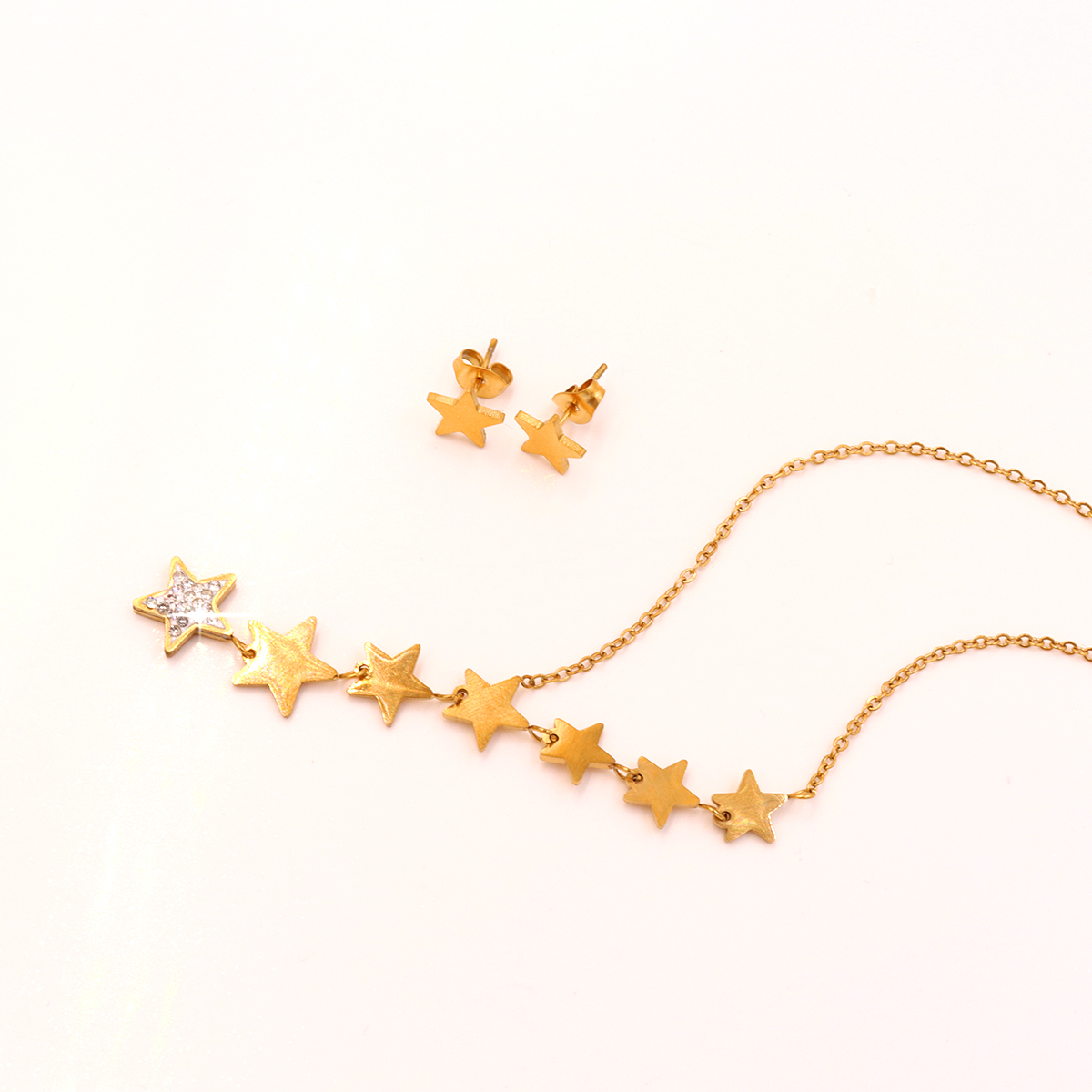
Connaître certaines techniques courantes de fabrication de bijoux en acier inoxydable peut approfondir votre compréhension des bijoux en acier titane. Le rédacteur a résumé ce qui suit 9 techniques courantes. 1、 Incrustation de fibre de carbone La fibre de carbone peut être utilisée sur les bijoux en acier inoxydable pour donner à la surface du bijou une forme fibreuse en trois dimensions. Si la réflexion de la lumière est utilisée, elle bougera de haut en bas avec votre ligne de vue, présentant un effet tridimensionnel, ce qui est très beau et peut pleinement démontrer la tendance des bijoux en acier inoxydable. D'autre part, le prix de l'incrustation de fibre de carbone dans les bijoux en acier titane est également relativement élevé.
2、 Incrustation de résine Lors de la pose de résine dans des bijoux en acier inoxydable, le bijou doit d'abord être chauffé à haute température, puis la résine doit être appliquée sur la surface des bijoux. En raison du traitement thermique, elle ne tombera pas facilement pendant le port.
3、 Wire cutting One of the techniques for processing stainless steel jewelry is wire cutting. L'utilisation de la technologie de découpe au fil pour le traitement consiste à utiliser des fils de molybdène de différentes tailles et une machine de découpe au fil pour découper lentement la forme du bijou, puis le polir manuellement. Plus le style est complexe et difficile, plus le temps d'expédition est long. 4、 Zircon inlay There are two ways to embed zircon in stainless steel jewelry processing. L'une consiste à utiliser de la colle AB pour le coller directement. C'est un adhésif spécial pour fixer les bijoux, qui est très résistant et ne craint pas de se détacher facilement. Il existe une autre méthode, which is to use machine pressing and embedding, with complex and fine workmanship, but the price will be much more expensive than AB adhesive. 5、 Polishing surface The polishing surface technology used by jewelry processing factories, in simple terms, is to apply polishing wax on a high-speed rotating cotton polishing wheel. By contacting the cloth wheel with jewelry, the surface of the jewelry becomes shiny and can also reflect light. 6、 Sandblasting Working principle: Place sand in water, use a grinding fluid pump and compressed air, et pulvériser le fluide de meulage à grande vitesse sur la surface des bijoux en acier inoxydable à l'aide d'un pistolet de pulvérisation, formant un revêtement gris argenté qui rend les bijoux plus beaux et a un effet résistant à la couleur. 7、 Moulage de précision La technique couramment utilisée dans les usines de traitement de bijoux est le moulage de précision. Généralement, l'échantillon de bijou désiré est d'abord sculpté en cire, puis placé dans du plâtre, déparaffiné, et les matières premières sont dissoutes à une température élevée de 1500-2000 degrés Celsius. Puis versé dans le moule en plâtre, et soumis à des processus tels que la pression, le démoulage, et le polissage manuel, qui sont également des processus assez complexes. Le prix peut varier en fonction des moules en plâtre nécessaires pour la coulée sous pression. 8、 Surface Lasha Le processus de ponçage utilise du ruban abrasif pour créer un effet givré sur la surface des bijoux en acier inoxydable, donnant aux bijoux une finition mate. 9、 Le placage sous vide Le placage sous vide dans les ateliers de transformation de bijoux peut être divisé en plusieurs types. Le processus de placage sous vide utilisé dans la transformation des bijoux en acier inoxydable est principalement le placage sous vide en four. Le placage d'un tel film peut former un film protecteur sur la surface des bijoux, déposer une couche de film en or 18 carats, et prolonger la durée de conservation de la couleur.