 hongruiyischmuck

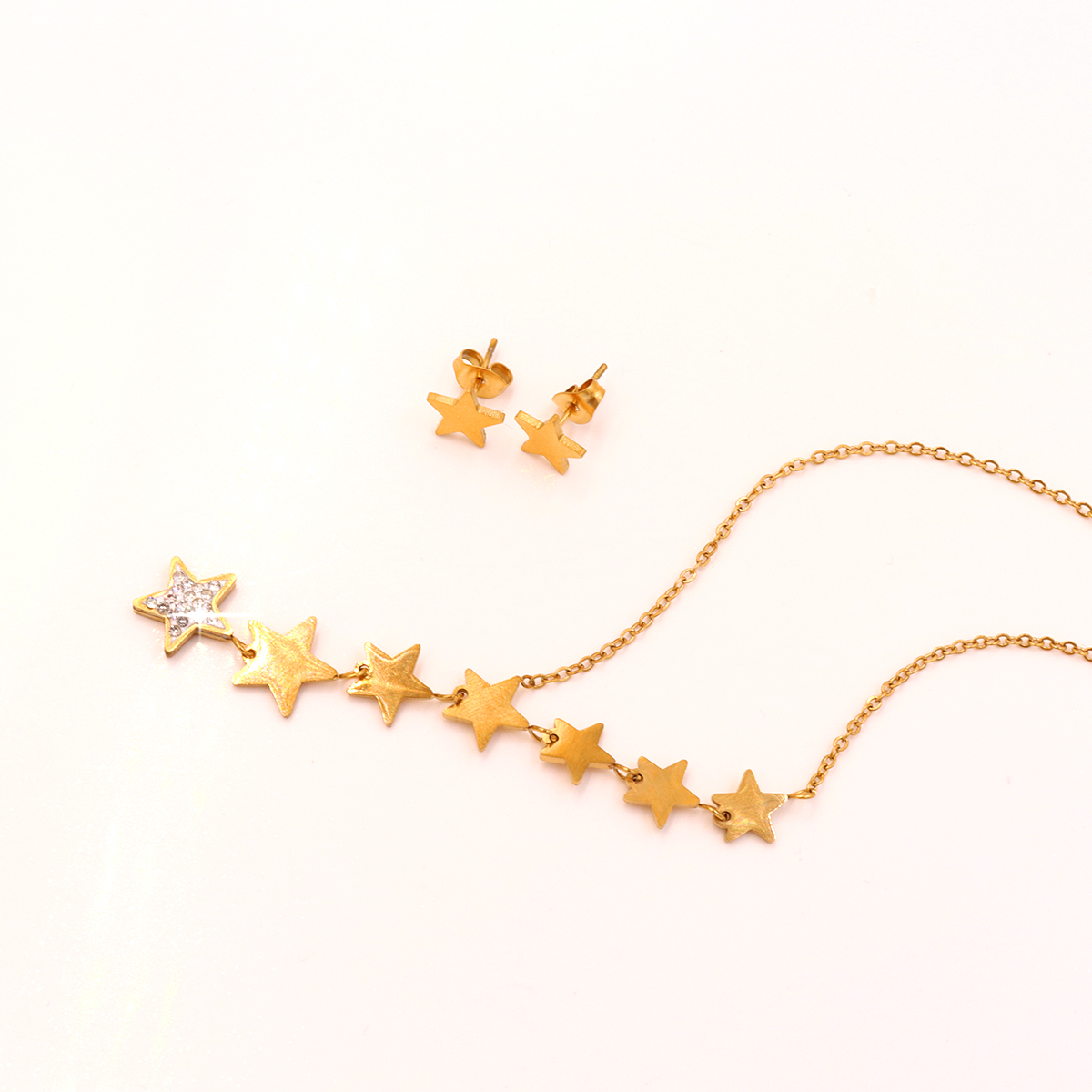
Das Kennen einiger gängiger Verarbeitungstechniken für Schmuck aus rostfreiem Stahl kann Ihr Verständnis von Schmuck aus Titanstahl vertiefen. Der Redakteur hat Folgendes zusammengefasst 9 gängige Techniken. 1、 Carbonfaser-Einlage Carbonfaser kann auf Schmuck aus rostfreiem Stahl verwendet werden, um der Oberfläche des Schmucks eine dreidimensionale faserige Form zu verleihen. Wenn Lichtreflexion verwendet wird, wird es sich mit Ihrer Blickrichtung auf und ab bewegen, was einen dreidimensionalen Effekt erzeugt, der sehr schön ist und den Trend von Edelstahl-Schmuck vollständig zeigen kann. Andererseits, ist der Preis für das Einbetten von Kohlefaser in Schmuck aus Titansstahl auch relativ hoch.
2、 Harzeinlage Bei der Verarbeitung von Harz in Schmuck aus rostfreiem Stahl, sollte der Schmuck zuerst auf hohe Temperatur erhitzt werden, und dann sollte das Harz auf die Oberfläche des Schmucks aufgetragen werden. Aufgrund der Wärmebehandlung, wird es während des Tragens nicht leicht abfallen.
3、 Drahtschneiden Eine der Techniken zur Verarbeitung von Schmuck aus rostfreiem Stahl ist das Drahtschneiden. Die Verwendung der Drahtschneidetechnologie für die Verarbeitung beinhaltet die Verwendung von Molybdändrähten unterschiedlicher Größe und einer Drahtschneidemaschine, um langsam die Form des Schmucks auszuschneiden, und dann manuell zu polieren. Je komplexer und schwieriger der Stil ist, desto länger ist die Lieferzeit. 4、 Zirkoneinlage Es gibt zwei Möglichkeiten, Zirkon in der Verarbeitung von Schmuck aus rostfreiem Stahl einzubetten. Eine besteht darin, AB-Kleber zu verwenden, um ihn direkt aufzukleben. Dies ist ein spezieller Kleber zum Befestigen von Schmuck, der sehr stark ist und man sich keine Sorgen um ein leichtes Ablösen machen muss. Es gibt eine andere Methode, nämlich durch Maschinenpressen und Einbetten, mit komplexer und feiner Verarbeitung, aber der Preis wird viel höher sein als bei AB-Kleber. 5、 Polierte Oberfläche Die Technologie der polierten Oberfläche, die von Schmuckverarbeitungsfabriken verwendet wird, einfach ausgedrückt, besteht darin, Polierwachs auf einem hochdrehenden Baumwollpolierrad aufzutragen. Durch den Kontakt des Poliertuchs mit dem Schmuck, wird die Schmuckoberfläche glänzend und kann auch Licht reflektieren. 6、 Sandstrahlen Arbeitsprinzip: Sand ins Wasser geben, eine Schleifflüssigkeitspumpe und Druckluft verwenden, und die Schleifflüssigkeit mit hoher Geschwindigkeit durch eine Spritzpistole auf die Oberfläche von Schmuck aus Edelstahl sprühen, wodurch eine silbergraue Beschichtung entsteht, die den Schmuck schöner erscheinen lässt und eine farbbeständige Wirkung hat. 7、 Präzisionsdruckguss Die in Schmuckverarbeitungsfabriken üblicherweise verwendete Technik ist der Präzisionsdruckguss. Im Allgemeinen, Die gewünschte Schmuckprobe wird zunächst aus Wachs geschnitzt, dann in Gips gelegt, entparaffiniert, und die Rohstoffe werden bei einer hohen Temperatur von 1500-2000 Grad Celsius aufgelöst. Dann wird in die Gipsform gegossen, und Prozessen wie Druckbehandlung, Entformung, und manueller Politur unterzogen, die ebenfalls ziemlich komplexe Prozesse sind. Der Preis kann je nach den für den Druckguss benötigten Gipsformen variieren. 8、 Lasha-Oberfläche Der Schleifprozess verwendet Schleifband, um einen matten Effekt auf der Oberfläche von Schmiedeeisenschmuck zu erzeugen, dem Schmuck ein mattes Finish zu verleihen. 9、 Vakuum-Elektroplattierung Vakuum-Elektroplattierung in Schmuckverarbeitungsfabriken kann in mehrere Typen unterteilt werden. Das Vakuumgalvanisierungsverfahren, das bei der Verarbeitung von Edelstahlschmuck verwendet wird, ist hauptsächlich Ofen-Vakuumgalvanisierung. Das Galvanisieren einer solchen Folie kann eine Schutzschicht auf der Oberfläche des Schmucks bilden, eine 18k-Goldschicht ablagern, und die Farbhaltezeit verlängern.